
Why Reading Habits Shape a Child’s Life—Long Before We Realise
Reading is more than a skill—it’s a lifelong habit formed in childhood. This article explores how early reading shapes a child’s thinking, empathy, confidence, and sense of identity, and why the right books at the right time can quietly influence the path they choose in life.
Why Reading Habits Shape a Child’s Life—Long Before We Realise
“Children are made readers on the laps of their parents.”
— Emilie Buchwald
A child’s journey doesn’t begin with big decisions or dramatic moments.
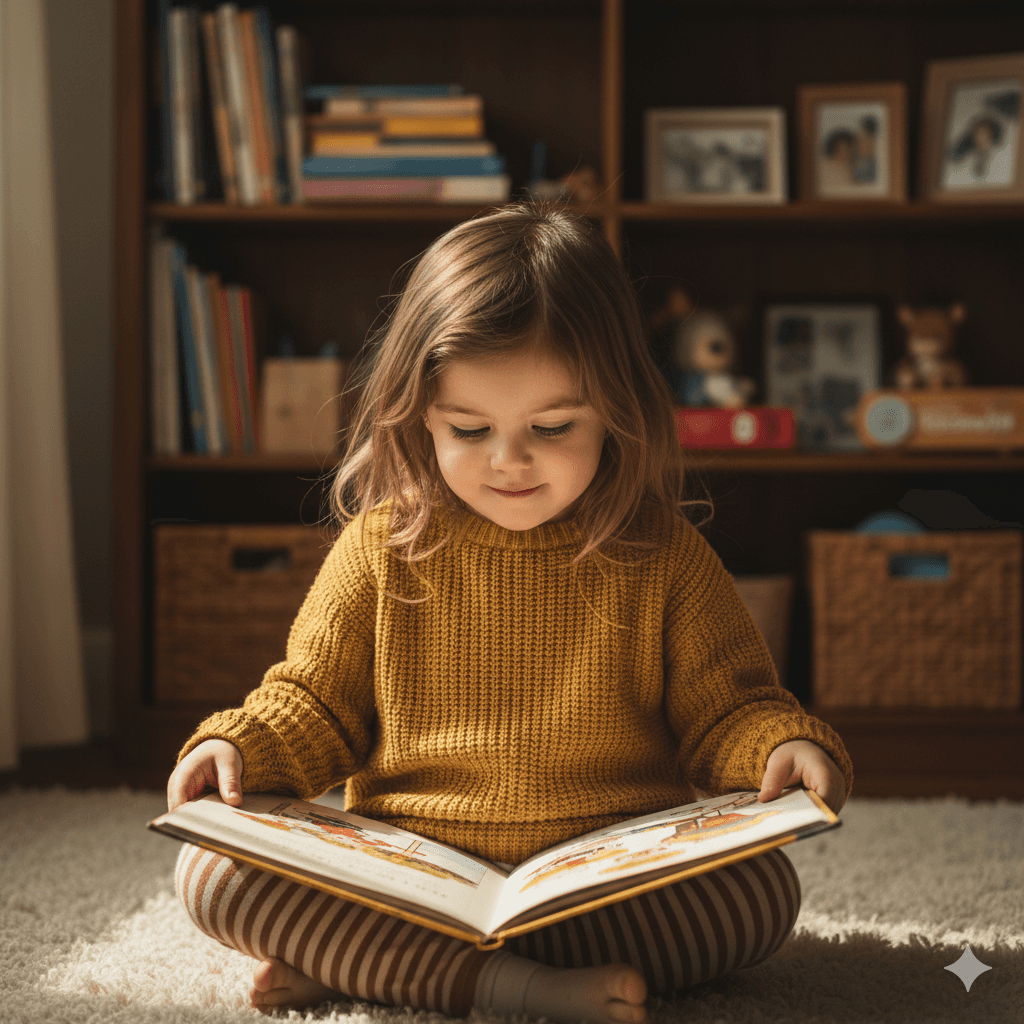
It begins quietly—on a sofa, before bedtime, with a book held upside down, pages turned too fast, questions asked mid-sentence.
These small moments matter more than we think.
Reading is not just a skill.
It is a habit.
And habits, formed early, shape how a child thinks, feels, and eventually chooses their path in life.
Reading Is More Than Learning Words
When children read regularly, they aren’t only learning letters or improving vocabulary. They are learning how to think.
Through stories, children learn:
How problems are faced and solved
How characters feel, fail, persist, and grow
How the world works beyond their immediate environment
A child who reads doesn’t just absorb information—they practise empathy, curiosity, and independent thought.
Research consistently shows that children who develop strong reading habits early:
Have better language and communication skills
Show higher emotional intelligence
Perform better academically across subjects
Are more confident expressing ideas and opinions
But the deeper impact goes beyond academics.
The Right Books at the Right Time Matter
Not all reading has the same effect.
A 4-year-old exposed to stories about curiosity and exploration learns something very different from a 7-year-old discovering books about problem-solving, friendship, or resilience.
When children are given age-appropriate, interest-aligned books, reading stops feeling like a task—and starts feeling like discovery.
Example:
A child fascinated by animals who reads stories about wildlife may develop early empathy for nature.
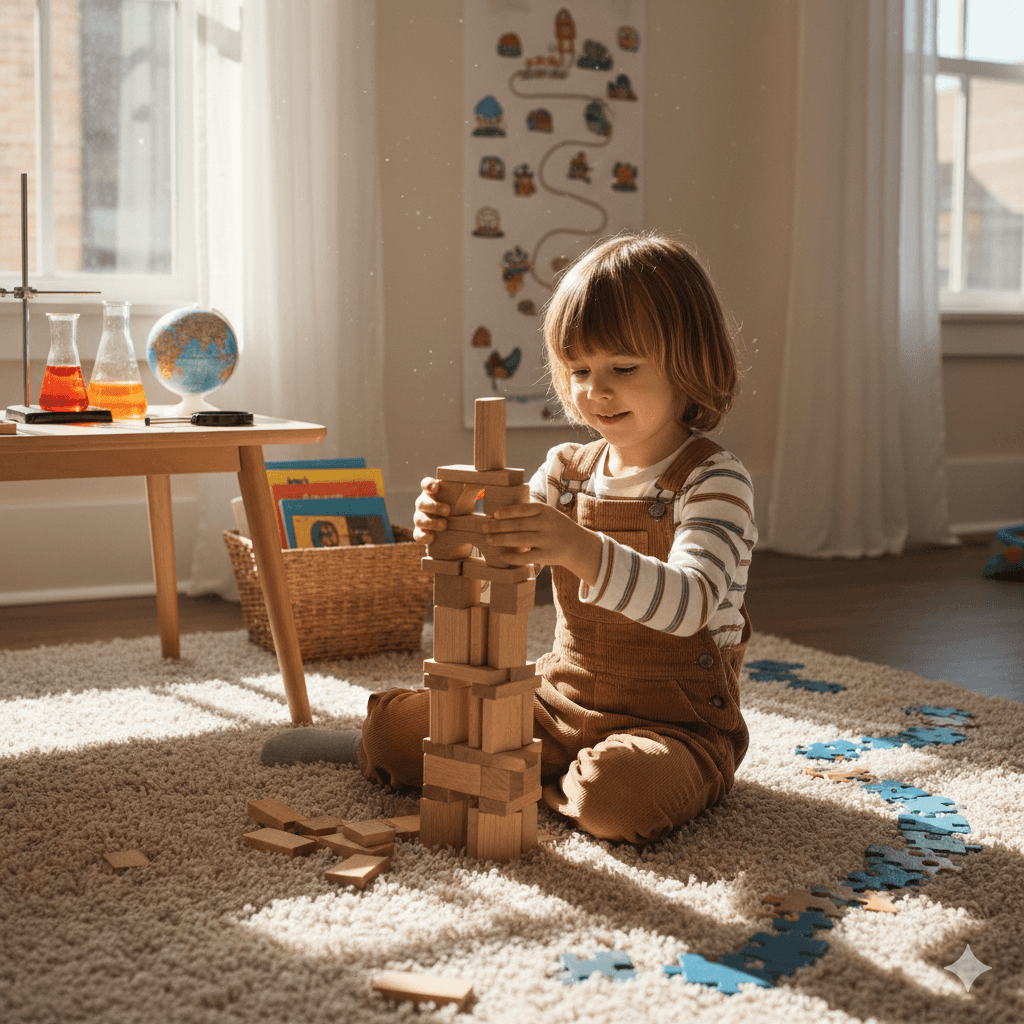
A child drawn to building and puzzles who reads STEM-themed books begins to see themselves as a “problem solver.”
A child who struggles socially may find comfort and understanding through characters who face similar emotions.
These stories quietly whisper:
“You’re not alone.”
“It’s okay to be curious.”
“You can figure this out.”
Over time, those whispers become inner beliefs.
Reading Helps Children Discover Who They Are
Before children can articulate their interests, books help reveal them.
Some children return again and again to adventure stories.
Others prefer facts, diagrams, and how-things-work books.
Some are drawn to humour, others to deep emotions.
Reading gives children safe exposure to possibilities:
Different careers
Different ways of thinking
Different personalities and values
Long before they “choose” a path, books help them explore many.
“Books are mirrors: you only see in them what you already have inside you.”
— Carlos Ruiz Zafón
When children see themselves reflected in stories, they gain confidence.
When they see lives different from their own, they gain perspective.
Both are essential for defining one’s journey.
Why Early Habits Matter More Than Later Corrections
It’s far easier to build a reading habit early than to fix a lack of one later.
Children who grow up with books as a normal part of life:
Reach for reading naturally, without being told
Associate books with comfort, not pressure
Are less dependent on screens for stimulation
In contrast, when reading is introduced late or only as a requirement, it often becomes something to “get through” rather than enjoy.
Habits formed between ages 3–8 are especially powerful.
This is when curiosity is highest and identity is quietly forming.
Creating a Reading Environment, Not Just a Reading Rule
Strong reading habits don’t come from forcing children to read.
They come from environment and access.
Children read more when:
Books are visible and within reach
Choices feel personal, not generic
Reading is part of routine, not punishment
Adults model reading themselves
The goal isn’t to raise a child who has to read.
It’s to raise a child who wants to.
A Small Habit With a Lifelong Impact
At The Better Habits, we believe reading is one of the most powerful habits a child can develop—not because it guarantees success, but because it builds the foundation for it.
Reading shapes:
How children see themselves
How they understand others
How they imagine their future
One book won’t change a life.
But the habit of reading, built thoughtfully and early, just might.
“Today a reader. Tomorrow a leader.”
— Margaret Fuller
And it all starts with the right book, at the right time, in a child’s hands.